← Login
0
Baba Stone - Sconce
Baba Stone - Sconce
Jan Garncarek

The Maker

Jan Garncarek

Warsaw, Poland

An Artists' Search for Liberation in Structural Design

Jan Garncarek is a designer from Warsaw who makes objects that flirt with both art and craft. His studio lives in a 19th-century factory in Żyrardów, where pigeons once ruled and now sparks fly. He works with metal, textiles, and light — materials with weight and history, but always given a twist.

Every piece is handmade. No conveyor belts, no clones. Turned by a craftsman, polished by another, finished by Jan himself. The result: objects that feel alive, not manufactured. Lamps, tables, rugs, screens — each one its own character.

Jan doesn’t do rigid definitions. He likes freedom, experiment, detours. Design, for him, is closer to a conversation — between him and his partner Ewelina, between painting and structure, between durability and poetry.

The duo’s work is personal. Their first collaboration was a messy, hand-painted canvas — more memory than object — and today it’s screens, rugs, and lighting that carry the same spirit: playful, emotional, sometimes a little rebellious. For Jan, sustainability isn’t a buzzword but a responsibility: natural materials, no shortcuts, objects built to last almost forever. The studio is a laboratory, a playground, a place where objects earn their soul.

“It happened naturally. I’ve always had a certain ease with design—not just creating a specific thing, but responding in a moving, meaningful way to the needs of a client or collection. We try to avoid literal, online-driven references; instead, we look at the inner world—our own experiences and family stories.”

Jan Garncarek
Lighting

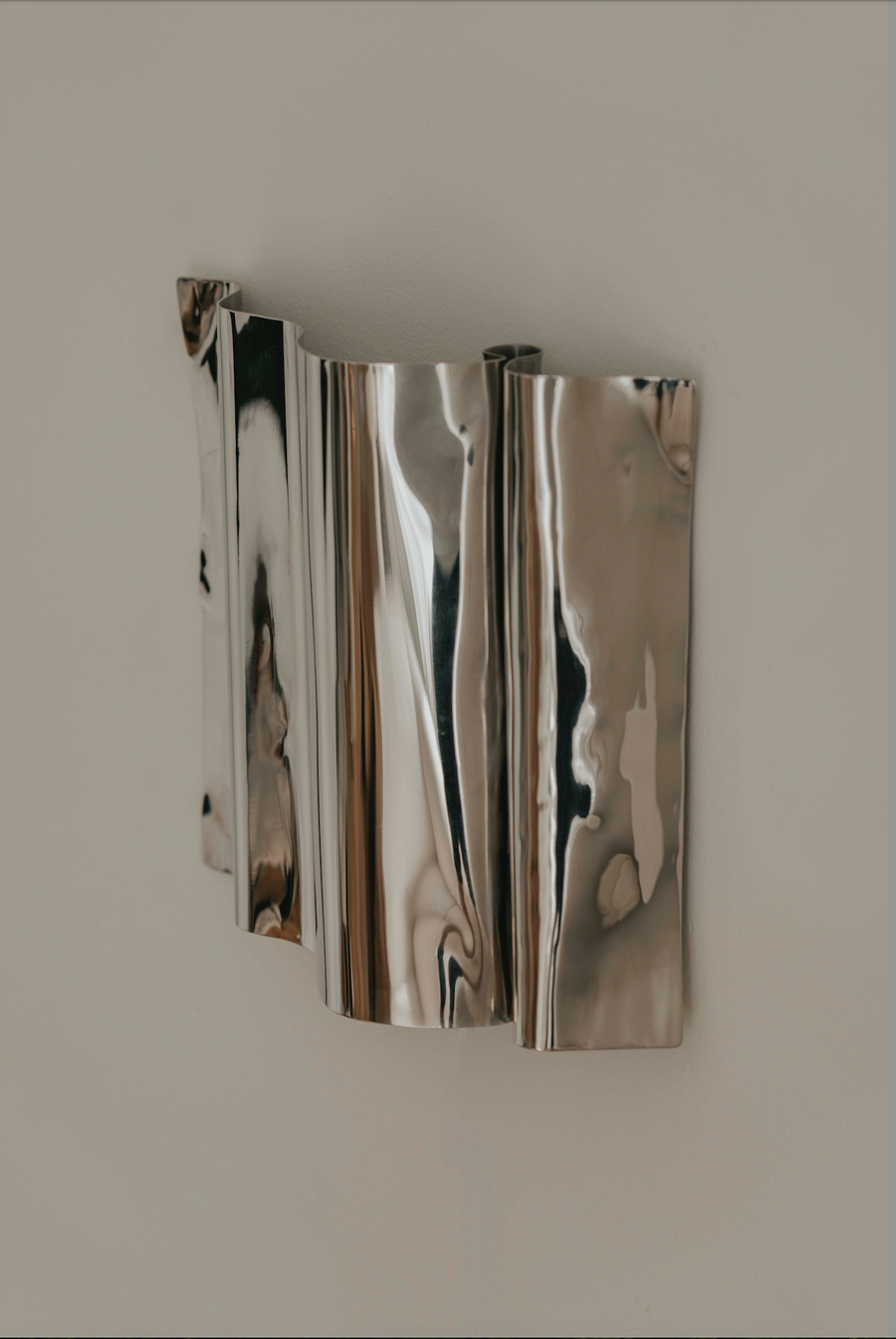
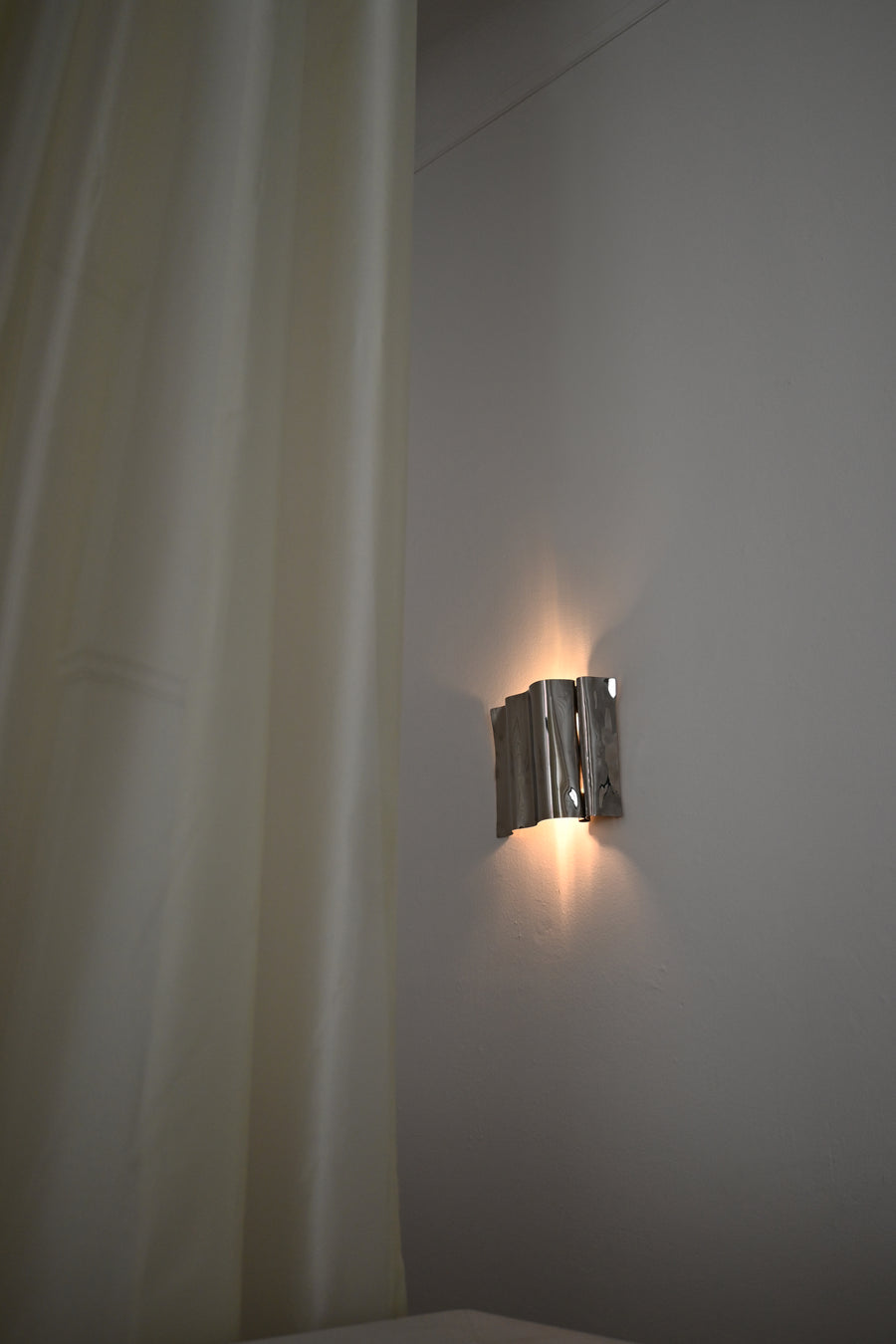
Baba Stone - Sconce

This stone sconce is more than lighting; it’s an amulet—and the designer's first piece crafted entirely in stone. Its solid, elongated form subtly suggests a human head, reflecting the mystical, often lost connection between humanity and nature.

In our modern, human-centric world, this piece reintroduces the ancient reverence for the natural environment. It draws directly from Slavic mythology, where pebbles found in fields, known as "Stone Babas," were seen as sacred objects of extraordinary power. Their appearance, constantly unearthed by the earth's movements, was regarded by peasants as a mystical event. These stones were tended with care, and offerings were made to guarantee fertile soil and bountiful harvests.

The sconce honors these ancient beliefs, acting as a tangible celebration of the enduring interplay between the power of nature and the depth of human imagination.

Baba Stone - Sconce Price on request
Inquire
  • Curator's Note

    12V dimmable LED, 2W | 2700 K | CE Approved
  • Dimensions

    10 x 48 x 9 cm
  • Materials

    Travertine | Brass
  • Customizations

    Available in different materials
  • Production & Delivery

    Handcrafted in Poland | 12 - 15 weeks

Jan Garncarek, An Artists' Search for Liberation in Structural Design

Jan Garncarek is a designer from Warsaw who makes objects that flirt with both art and craft. His studio lives in a 19th-century factory in Żyrardów, where pigeons once ruled and now sparks fly. He works with metal, textiles, and light — materials with weight and history, but always given a twist.

Every piece is handmade. No conveyor belts, no clones. Turned by a craftsman, polished by another, finished by Jan himself. The result: objects that feel alive, not manufactured. Lamps, tables, rugs, screens — each one its own character.

Jan doesn’t do rigid definitions. He likes freedom, experiment, detours. Design, for him, is closer to a conversation — between him and his partner Ewelina, between painting and structure, between durability and poetry.

The duo’s work is personal. Their first collaboration was a messy, hand-painted canvas — more memory than object — and today it’s screens, rugs, and lighting that carry the same spirit: playful, emotional, sometimes a little rebellious. For Jan, sustainability isn’t a buzzword but a responsibility: natural materials, no shortcuts, objects built to last almost forever. The studio is a laboratory, a playground, a place where objects earn their soul.