What We Saw at 3 Days of Design 2026
During 3 Days of Design 2026, Copenhagen became a stage for some of the most thoughtful voices in contemporary design.
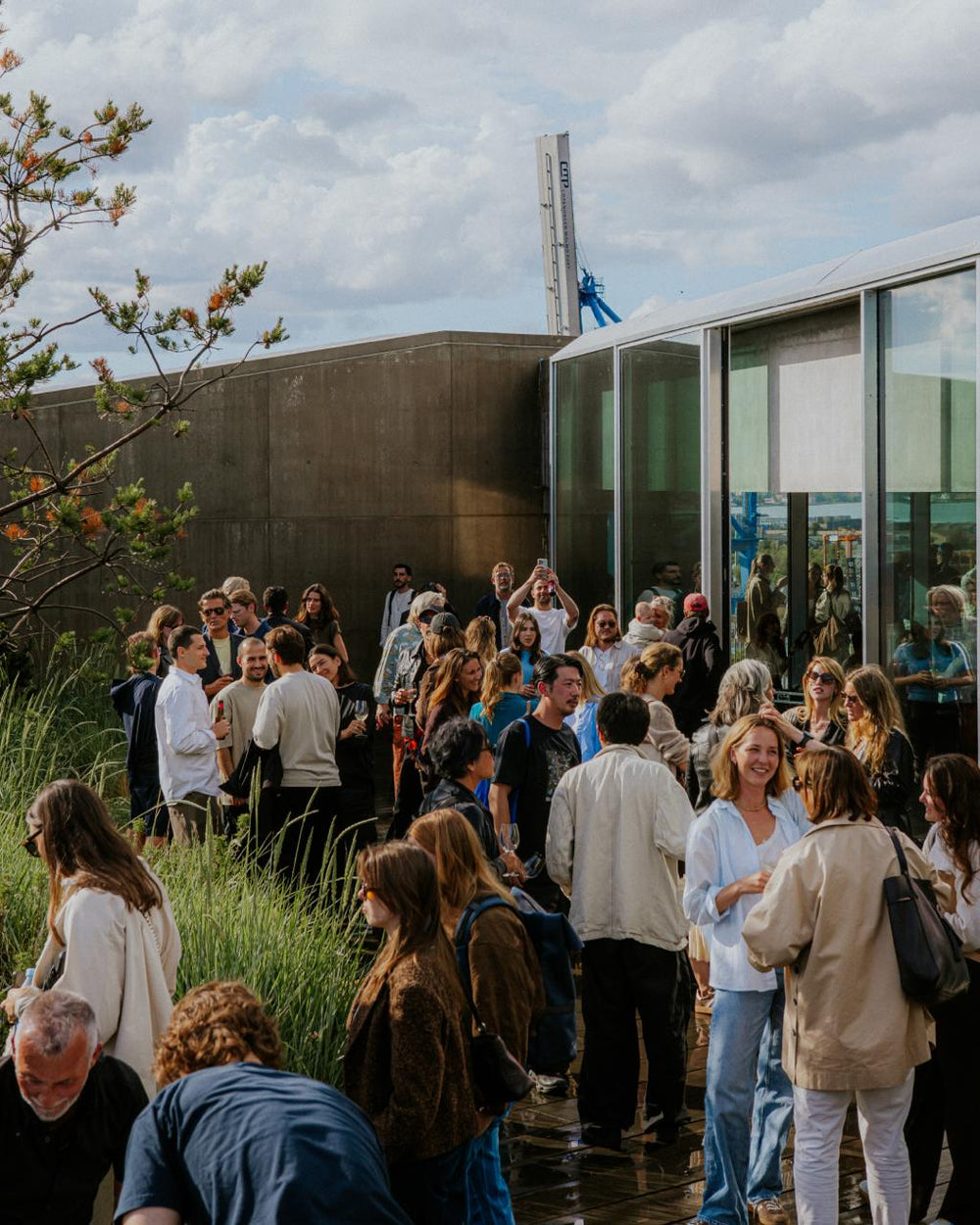
Every June, Copenhagen becomes a testing ground for the ideas shaping the future of design. Across apartments, galleries, courtyards, former industrial buildings, and temporary exhibition spaces, designers, brands, and emerging studios gathered to share what they have been working on over the past year.
What stood out this year was the diversity of approaches. Alongside new furniture and lighting collections were exhibitions exploring scent, material experimentation, domestic infrastructure, sound, and alternative ways of gathering. Together, they reflected a design culture increasingly interested not only in objects, but in the environments, systems, and experiences that surround them.


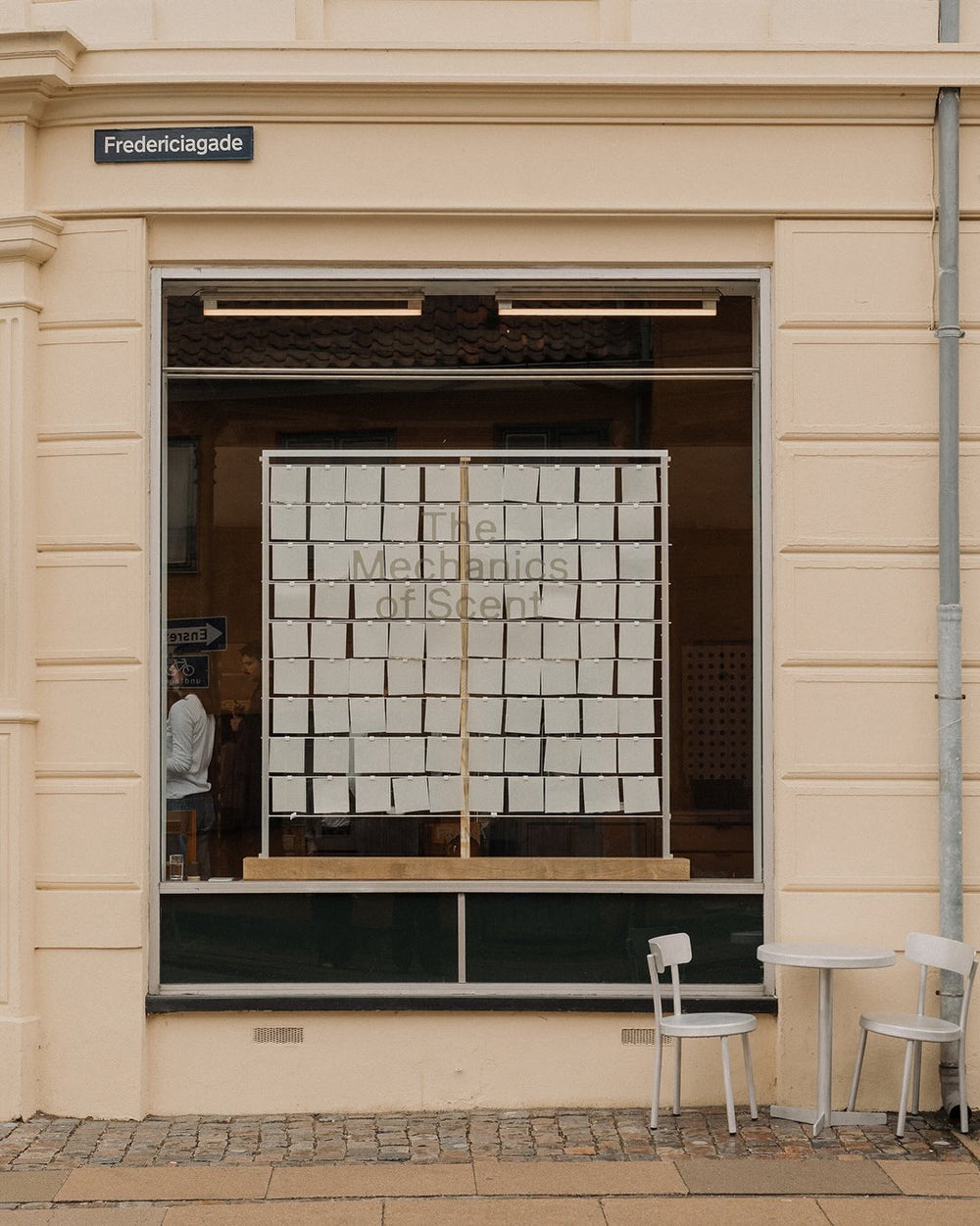
FRAMA, The Mechanics of Scent
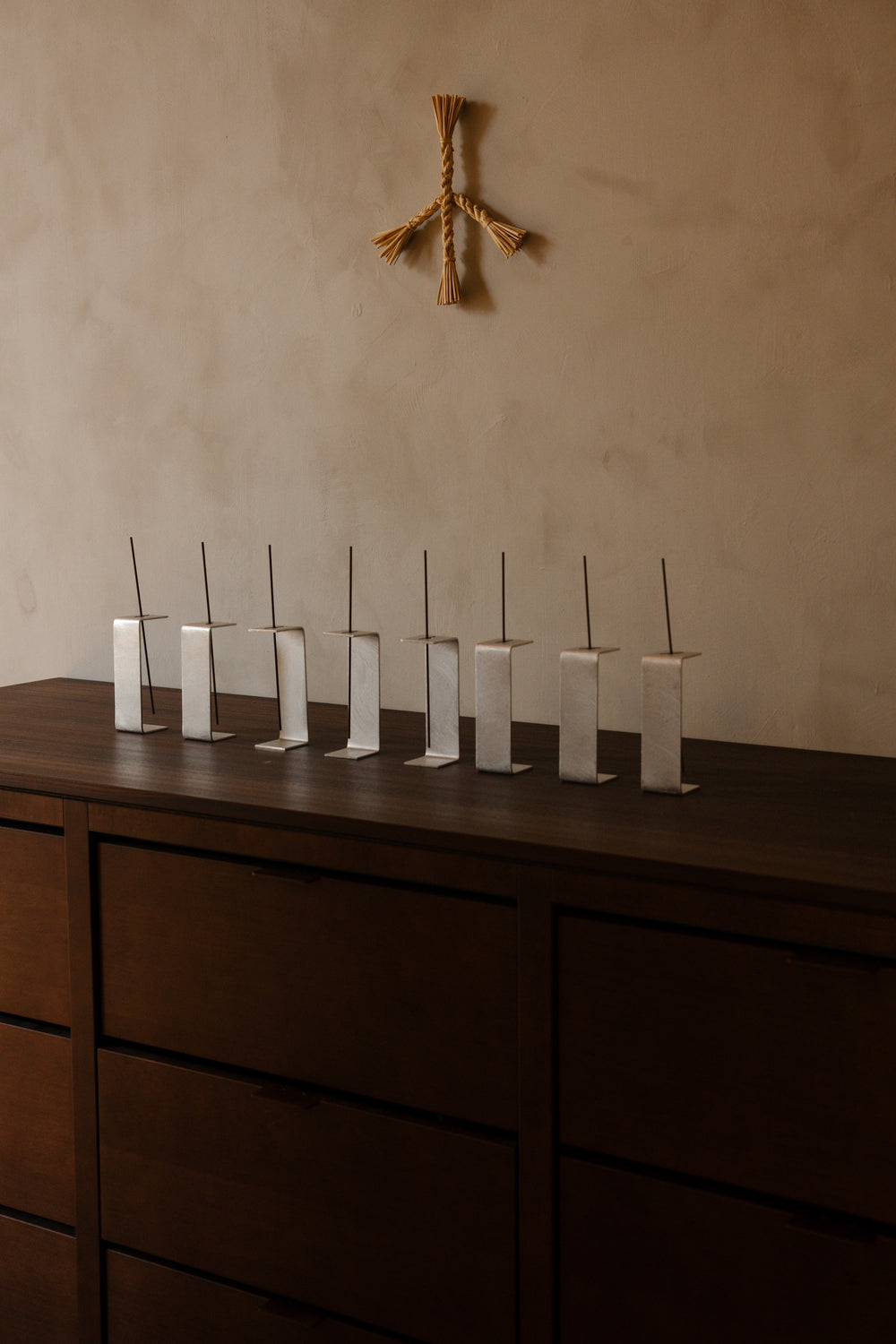
After travelling between Paris, Los Angeles, and New York, The Mechanics of Scent arrived in Copenhagen with an expanded presentation that introduced a new series of scent sculptures by FRAMA. Rather than treating fragrance as a product, the exhibition explored scent as part of the spatial experience itself — something that shapes our perception of a room as profoundly as light, material, or sound.
Presented through a series of sculptural interventions, the installation invited visitors to consider the often invisible role fragrance plays in how we experience architecture and interiors. The new scent sculptures extended this investigation further, translating FRAMA's ongoing interest in atmosphere into a collection of objects that exist somewhere between design piece, vessel, and sensory tool.

Apartment 57A
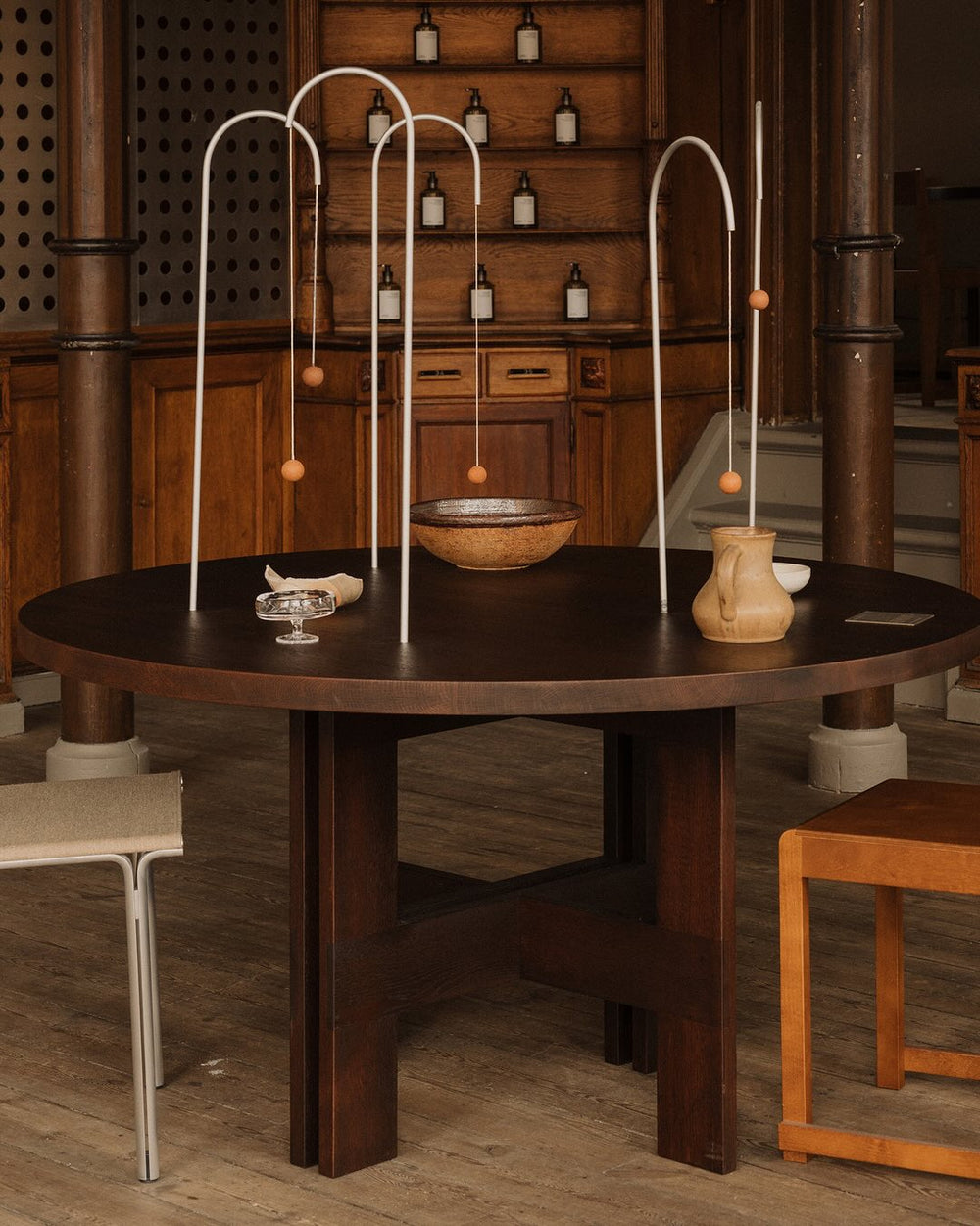
Just next door to the FRAMA Studio Store, Apartment 57A offered a slower and more intimate experience of the brand's universe. Rather than functioning as a showroom, the space felt genuinely inhabited — layered with furniture, books, textiles, artworks, and everyday objects that revealed how the pieces might exist beyond a retail setting.
This year's presentation was notably restrained. New releases appeared sparingly among existing collections, allowing attention to shift towards atmosphere rather than novelty. References to The Mechanics of Scent could be found throughout the apartment, where carefully selected objects and materials contributed to a sense of warmth and familiarity.


Everyday^
Yet some of the most important parts of a home are the ones we rarely see.
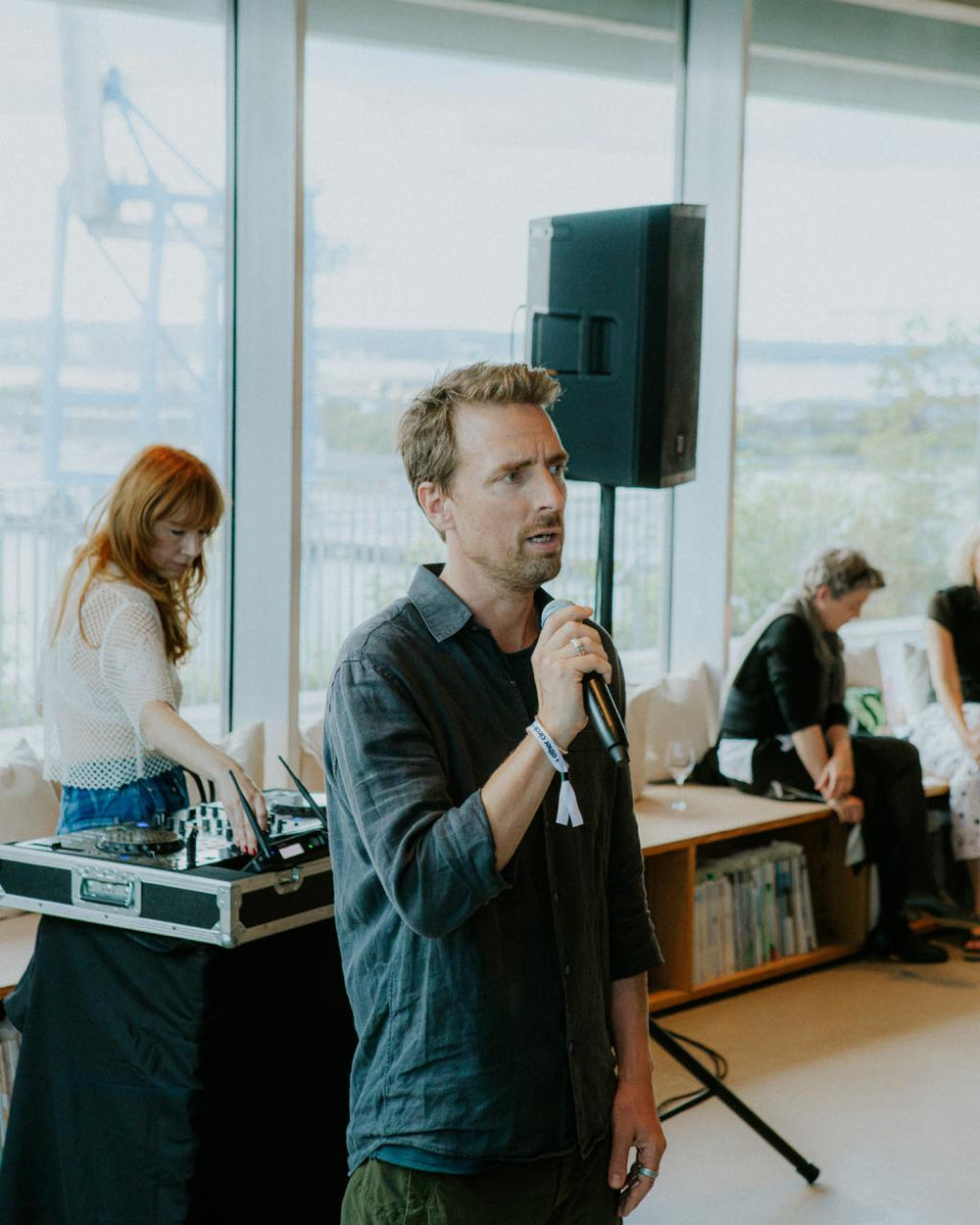
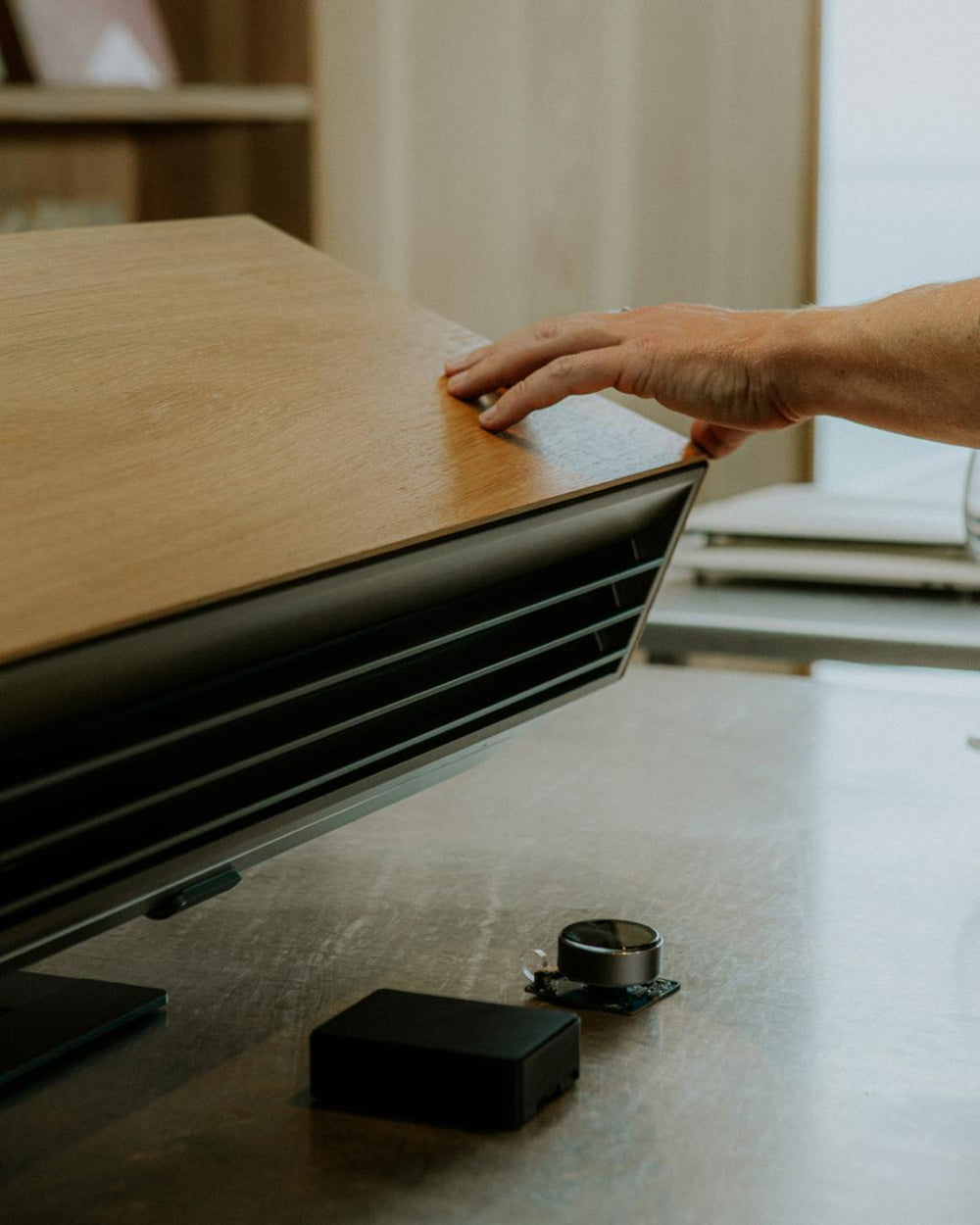
Presented during 3 Days of Design, Everyday^ introduced a vision for rethinking the essential infrastructure that supports everyday living — from energy and air to water and resource management. Founded by Kaave Pour and Morten Meisner-Jensen, the Copenhagen-based company is developing integrated systems designed to make homes more intelligent, efficient, and responsive to contemporary ways of living.
Rather than focusing on individual products, the presentation invited visitors to consider the hidden networks operating behind walls, beneath floors, and throughout the spaces we inhabit every day. It was a reminder that design extends far beyond furniture and interiors, shaping the systems that quietly influence comfort, wellbeing, and sustainability.

Aarticles, Compositions
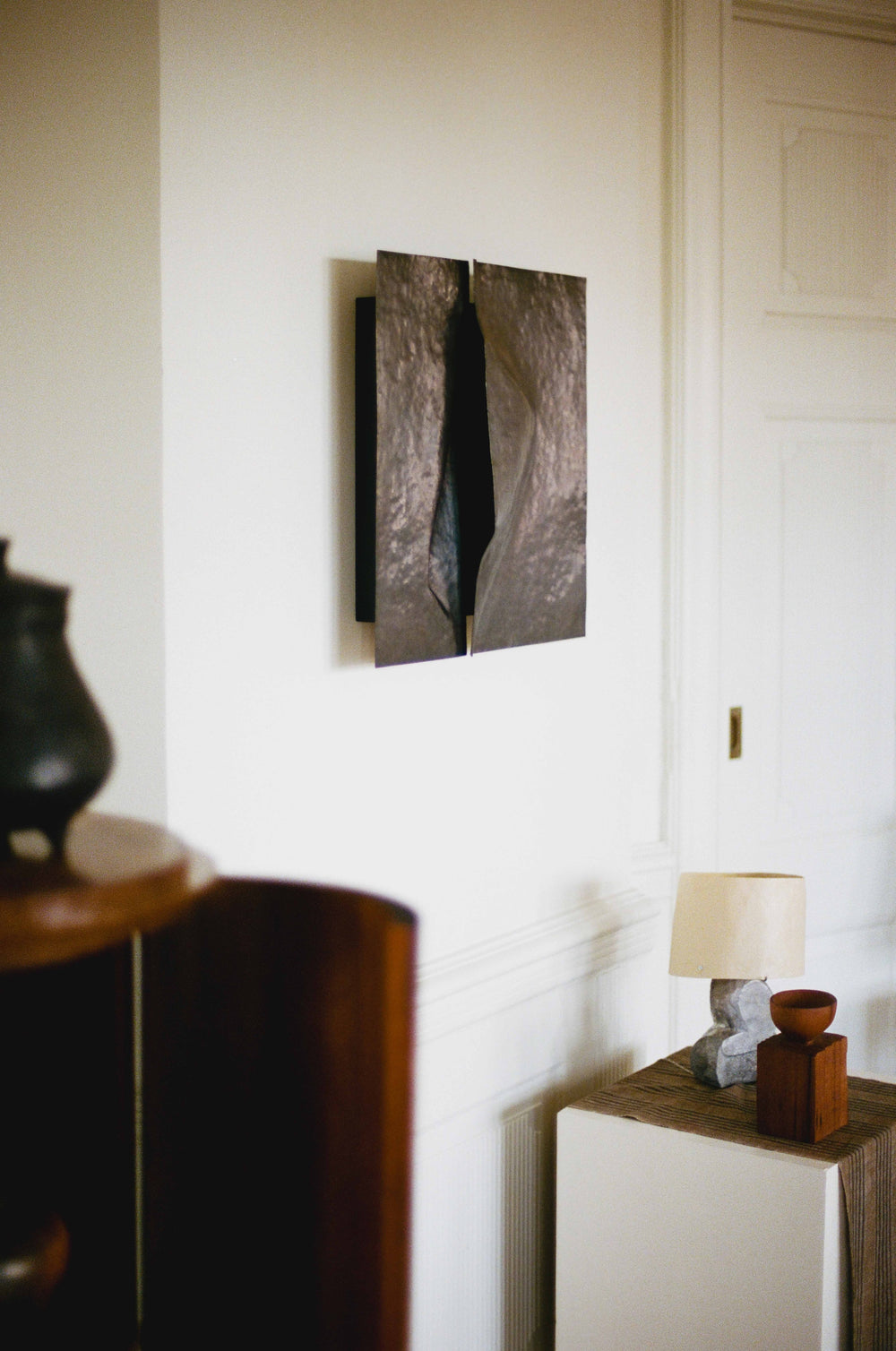
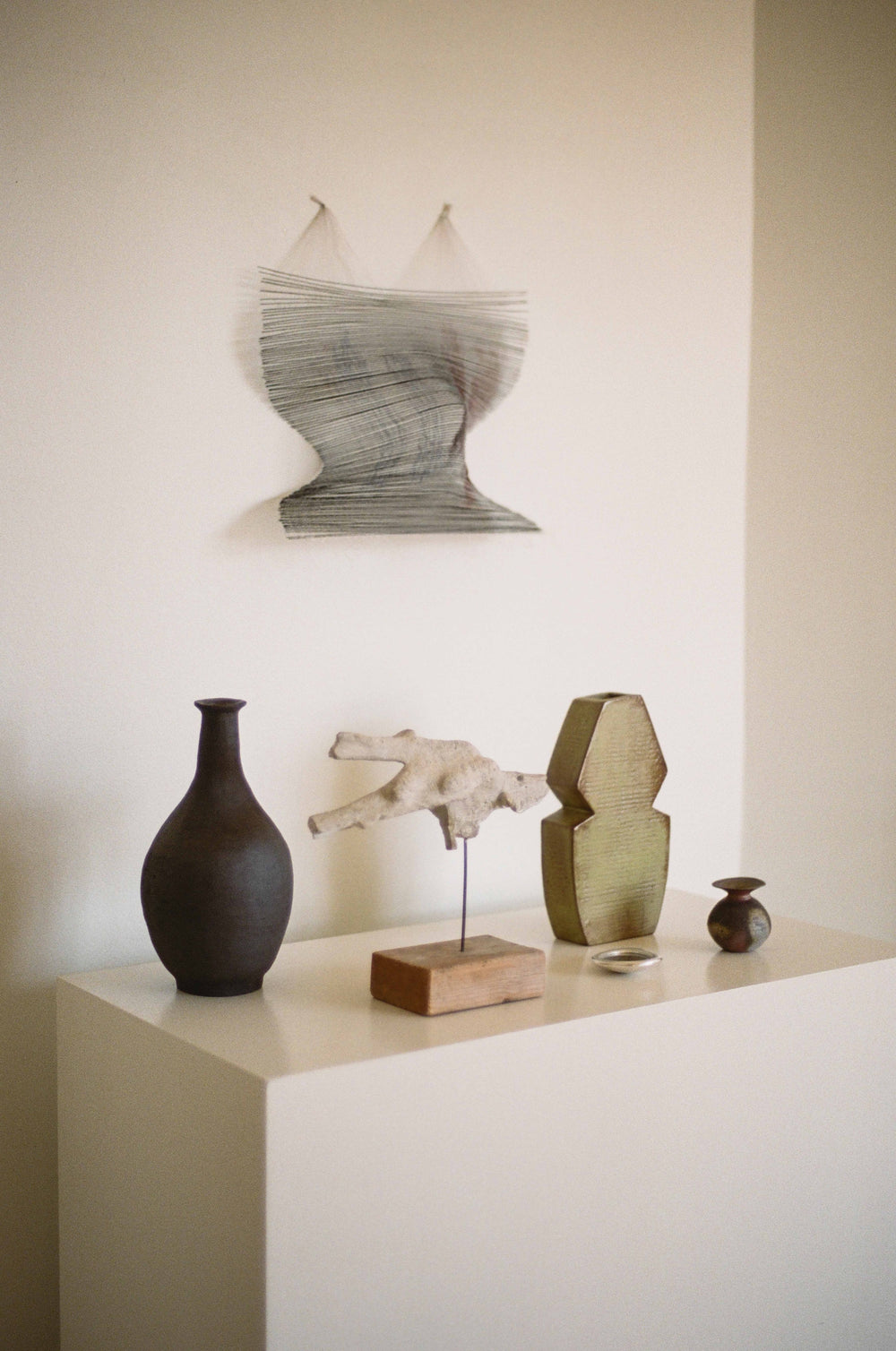
Visiting Compositions during 3 Days of Design felt less like entering an exhibition and more like being invited into the apartment of friends with an exceptionally discerning eye for objects.
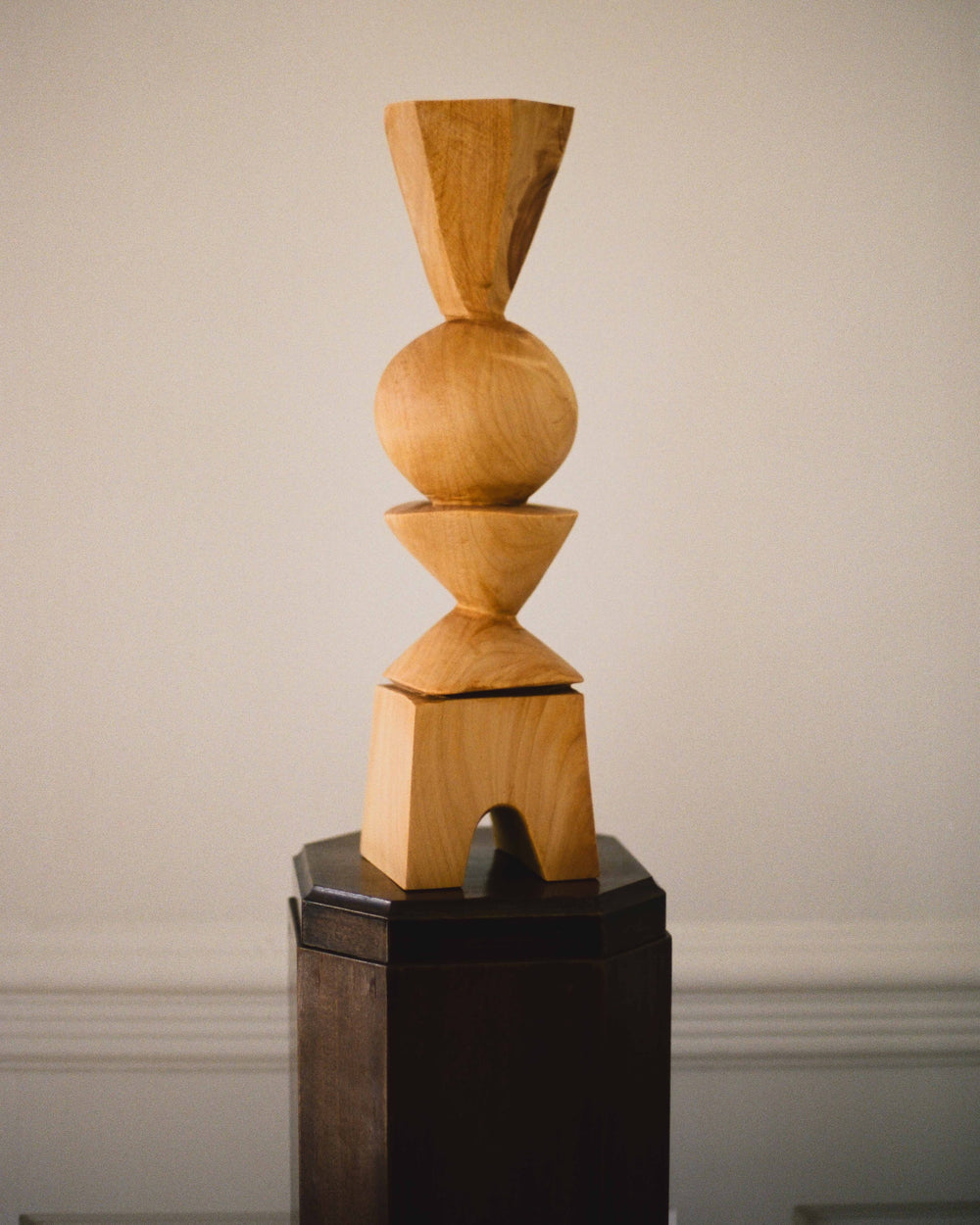
Founded by Kasia Sznajder and Fred Aartun, AARTICLES reflects a deeply personal approach to collecting. There is an ease to the way objects are brought together — contemporary works alongside older discoveries, sculptures beside furniture, ceramics next to found pieces. Nothing feels forced or overly considered, yet everything appears exactly where it should be.
For this year's edition of 3 Days of Design, the duo transformed a fourth-floor apartment on Christian IX's Gade into Compositions, bringing together works by Vince Skelly, Sharlen Nozawa, Juliette Pénélope Pépin, Jérémie St-Onge, Christian+Jade, Agnieszka Owsiany and several other makers. But what stayed with us was not any individual piece. It was the feeling of moving through a series of rooms shaped by curiosity, intuition, and years of collecting.
The apartment sat somewhere between a home and a gallery. Personal yet open. Thoughtful yet unpretentious. A place where objects from different periods, materials, and geographies quietly shared the same space.

VIPP x MESURA
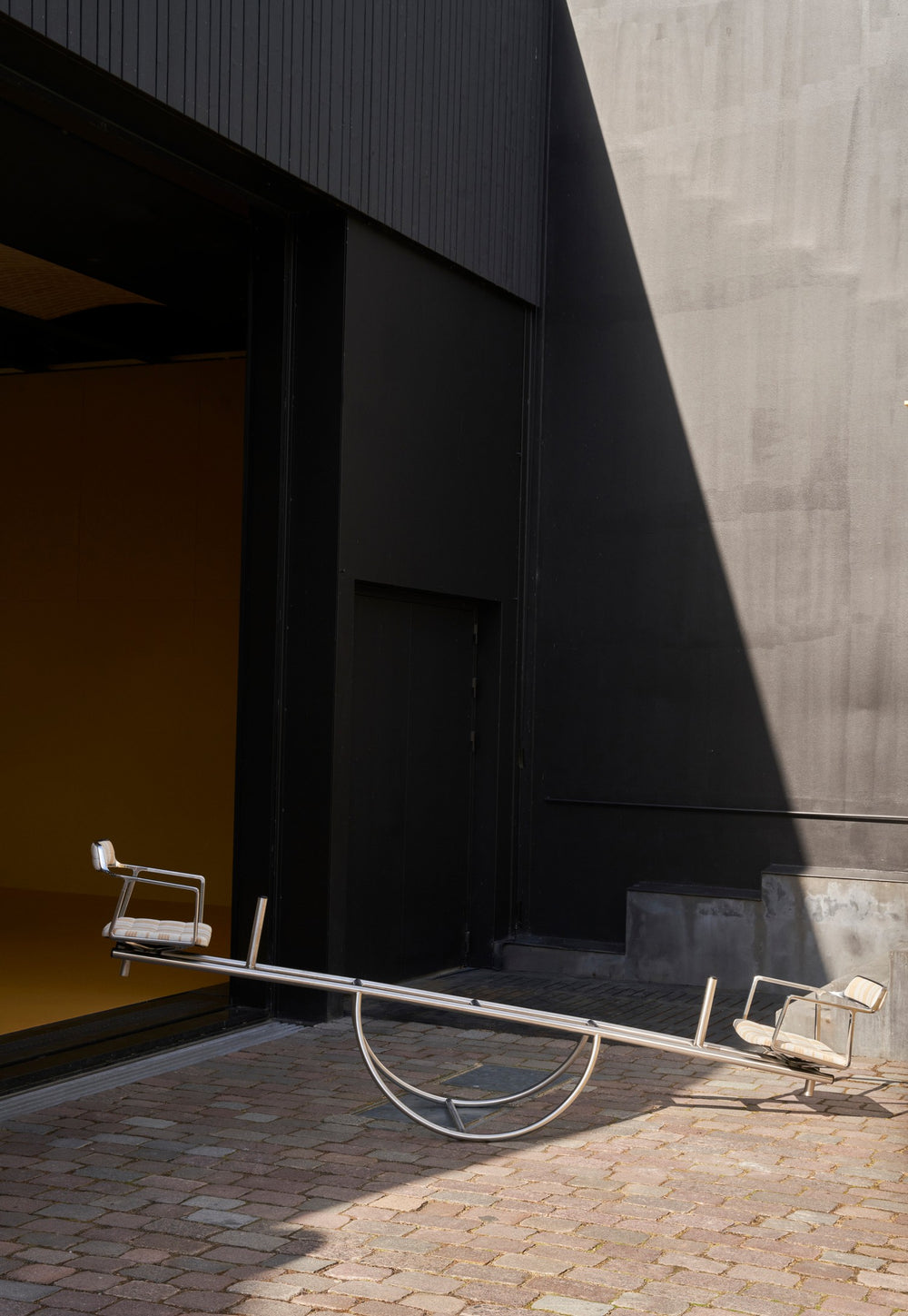
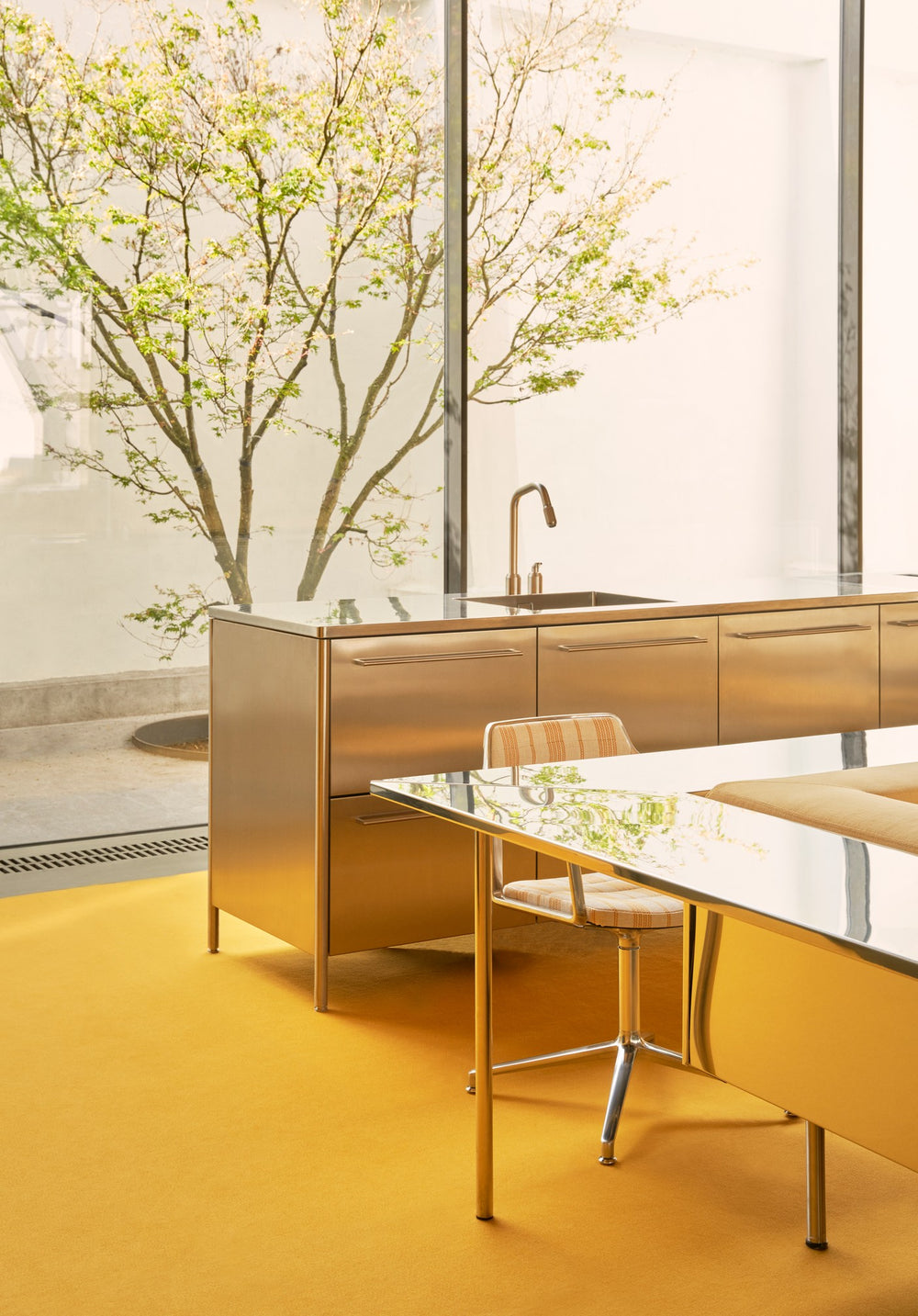
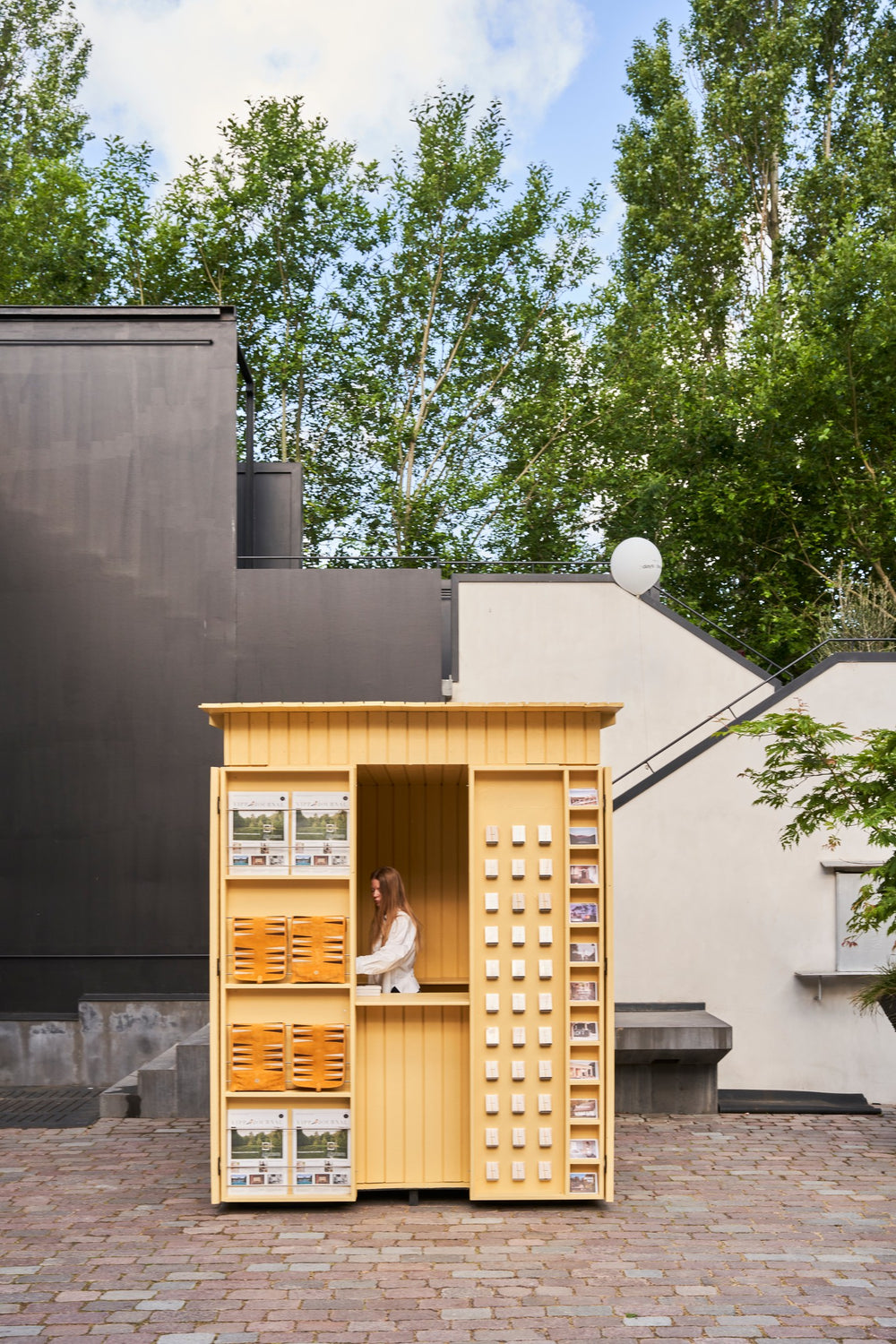
Barcelona-based studio Mesura, known for its unconventional and immersive approach to design, transformed Vipp's Campus into a playful, almost theatrical environment during 3 Days of Design. At its centre sat a monumental conversation pit wrapped in vibrant yellow textile — part sofa, part gathering landscape — inviting visitors to slow down, sit together, and occupy the space rather than simply move through it.
Around it, Mesura reinterpreted several of Vipp's most recognizable elements. The brand's stainless-steel V4 kitchen appeared as a polished island integrated into the installation, while the Vipp Swivel Chair was reimagined through custom textile editions developed specifically for the project. Throughout the campus, playful interventions — including a full-scale seesaw referencing the origin of the Vipp name — introduced a lighter and more social dimension to the brand's typically restrained design language.


VASTO at other circle
A soft landscape of inflated forms spreading across the floor, occupied by people rather than simply observed by them.
Presented by VASTO, the Barcelona-based home gallery founded by Carmen Riestra, the installation by Amber Zhang's NAKED SPACE transformed the exhibition space into something between a piece of furniture, a playground, and a temporary architecture. Built from interconnected pneumatic chambers, the work invited visitors to sit, recline, gather, and spend time inside it.
What initially appeared as a sculptural object revealed itself as an environment shaped by movement and occupation. As bodies settled into its surface, subtle depressions and shifts in pressure altered its form, creating a constantly changing landscape that recorded the presence of its users.
The same thinking extends into the philosophical foundations of his work. Ogata often speaks about concepts such as Kū, Ma and Mu — emptiness, interval and absence — not as voids, but as conditions through which presence becomes visible. Meaning emerges through restraint rather than accumulation. Ultimately, bringing OGATA into the world was never only about opening spaces.


Ukurant
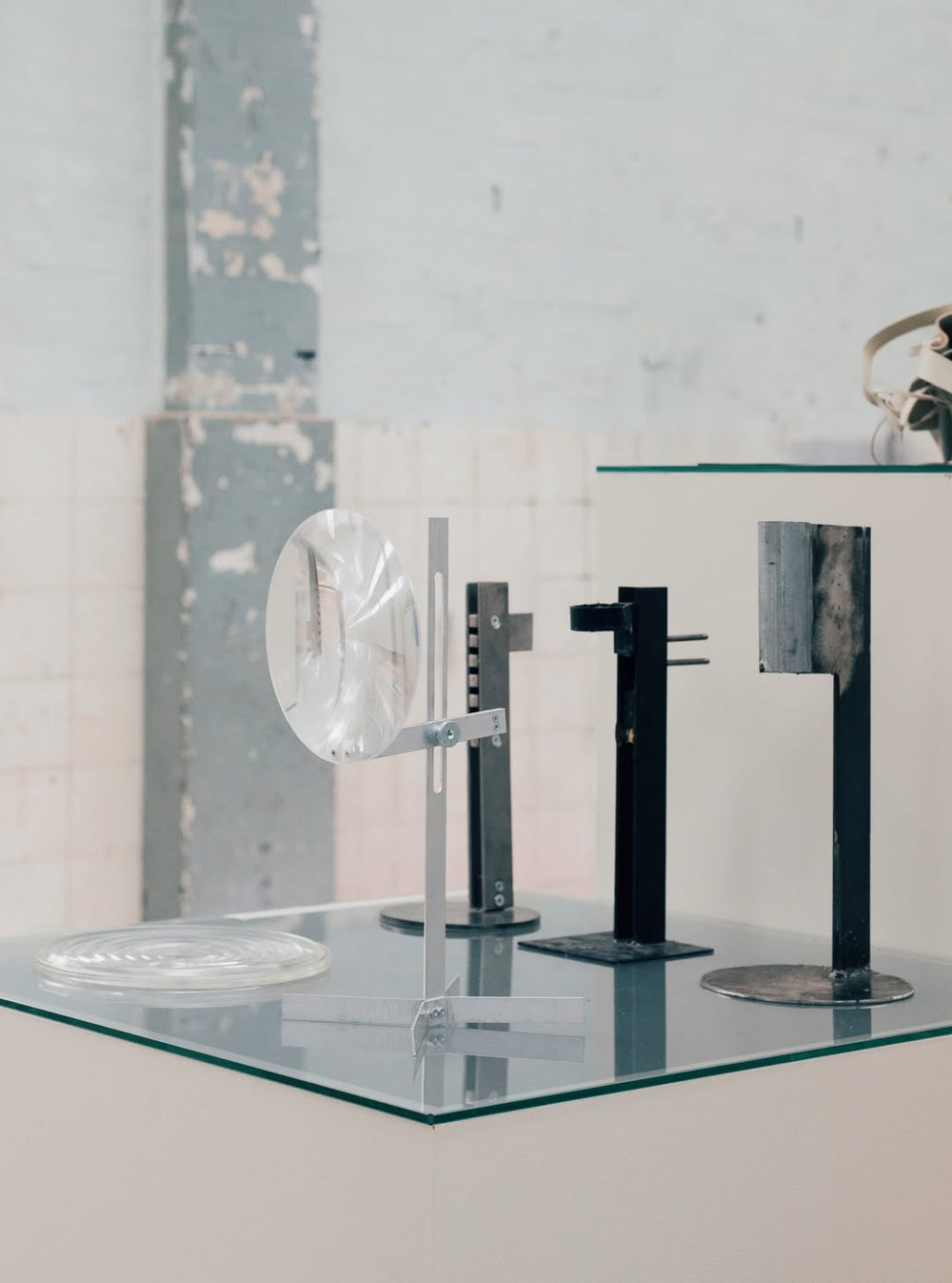
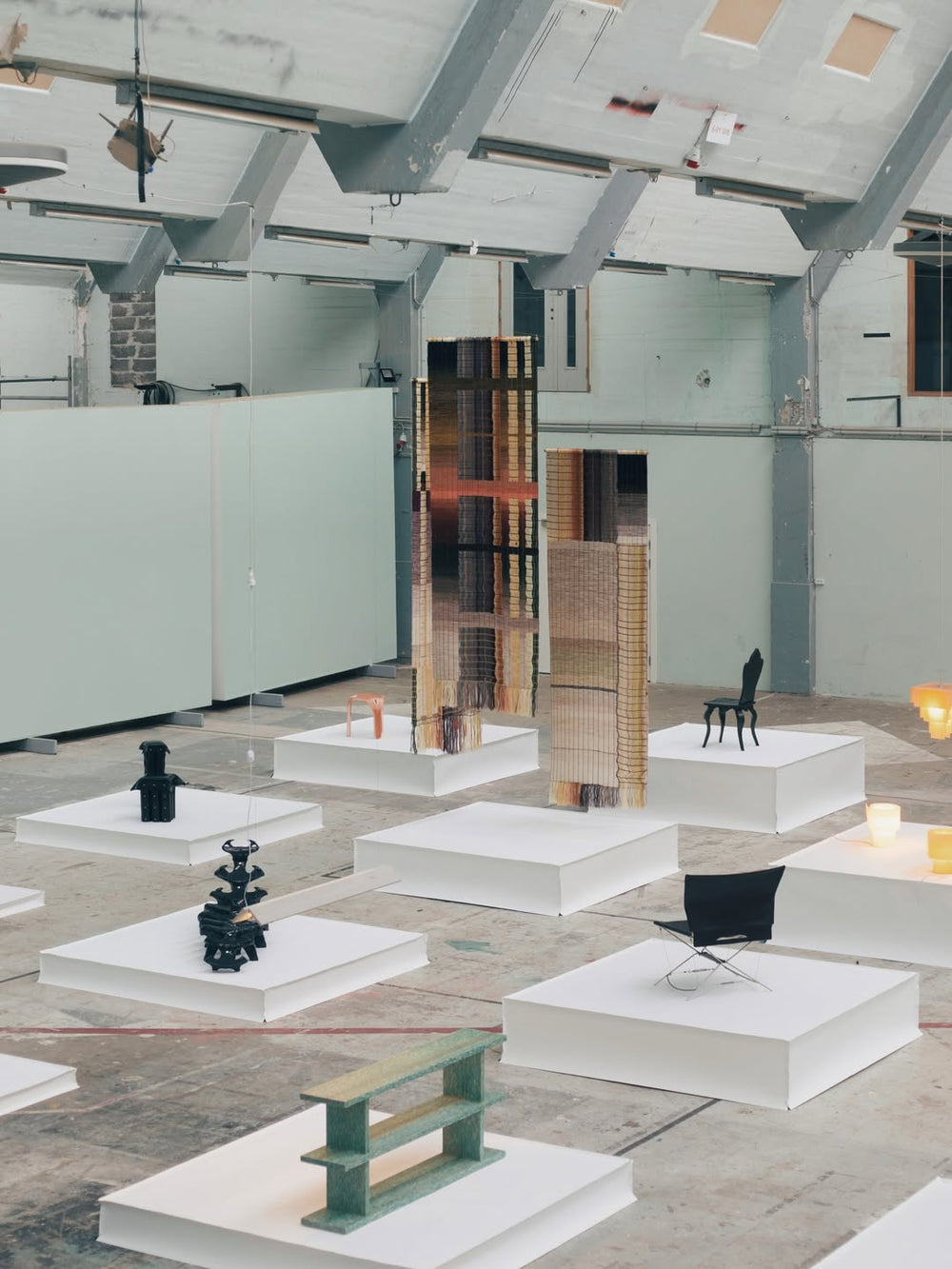
Ukurant is the Copenhagen-based platform dedicated to emerging designers and recent graduates. Housed inside the former industrial spaces of FABRIKKEN for Art & Design, the exhibition gathered 26 international participants working across furniture, objects, material experimentation, and installation.
What distinguishes Ukurant from many design week presentations is its willingness to embrace uncertainty. Rather than presenting polished products ready for production, the exhibition focused on ideas in development, material investigations, and unconventional approaches to making. Throughout the space, visitors encountered works that challenged familiar typologies and questioned what furniture or objects can be — from drywall vessels and rubber tables to speculative material experiments and playful constructions.
The result felt more like an open laboratory of contemporary design thinking - imperfect, curious, and often unexpected, Ukurant remains one of the few platforms during 3 Days of Design where experimentation is still allowed to take centre stage.
Deoron
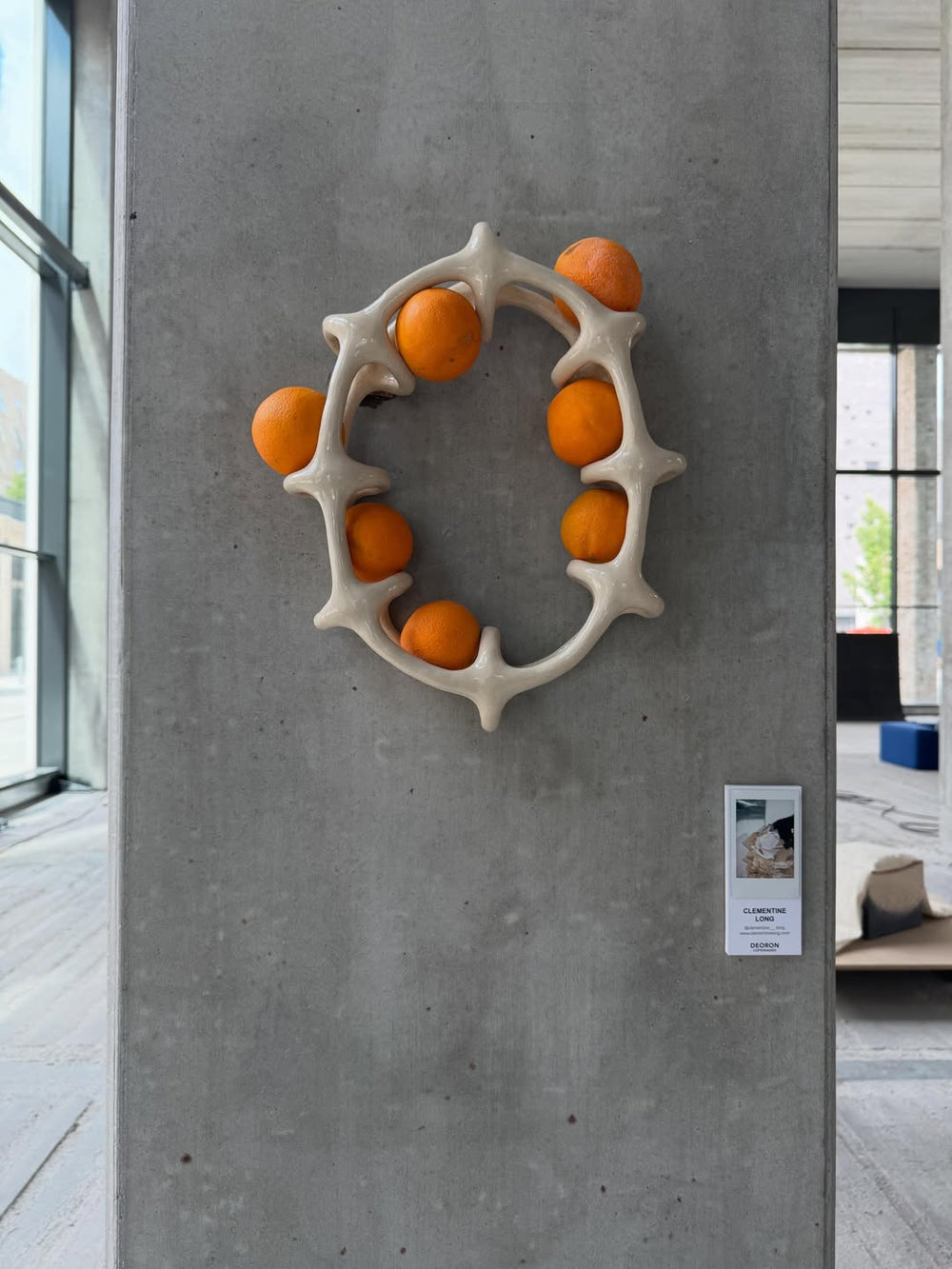
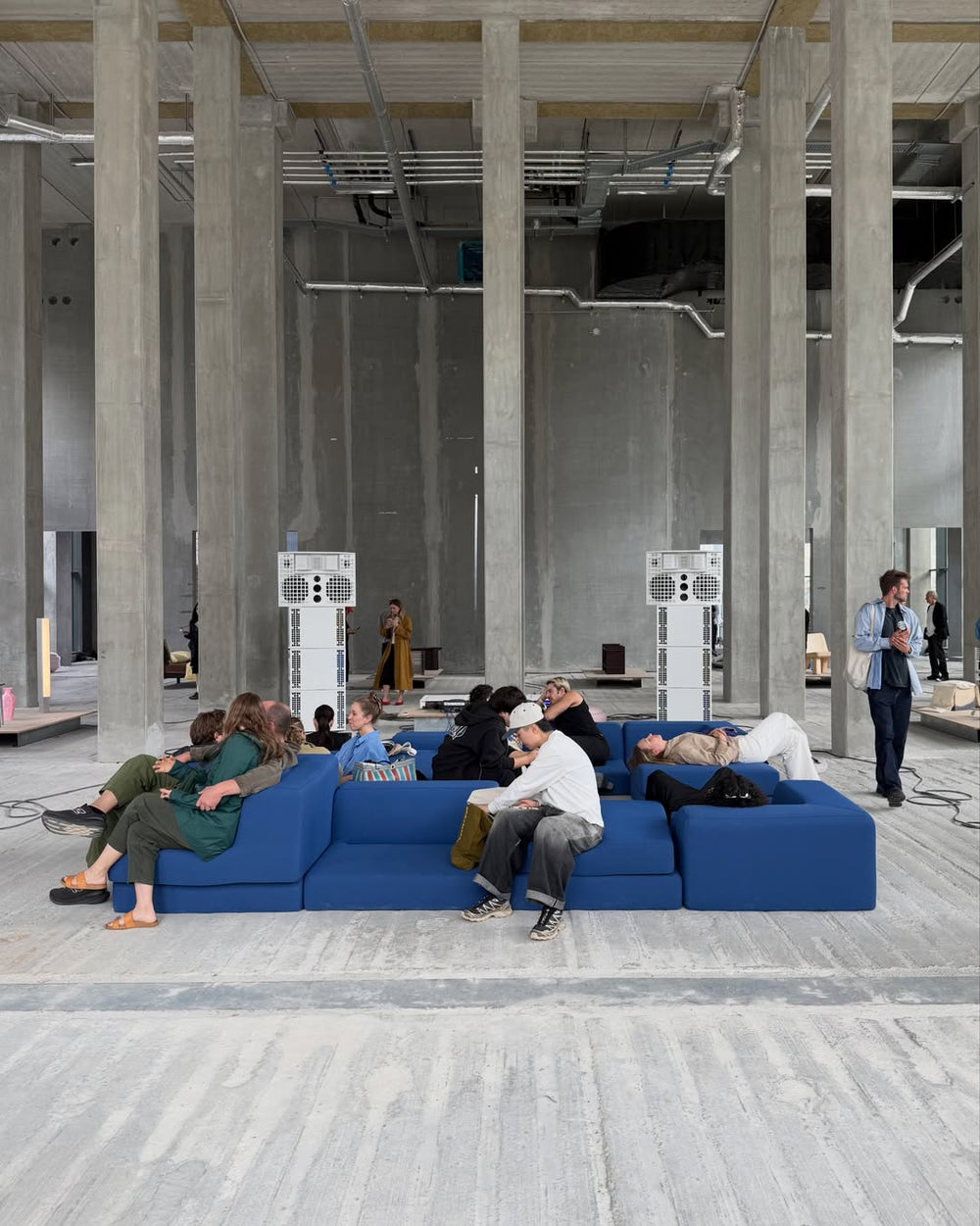
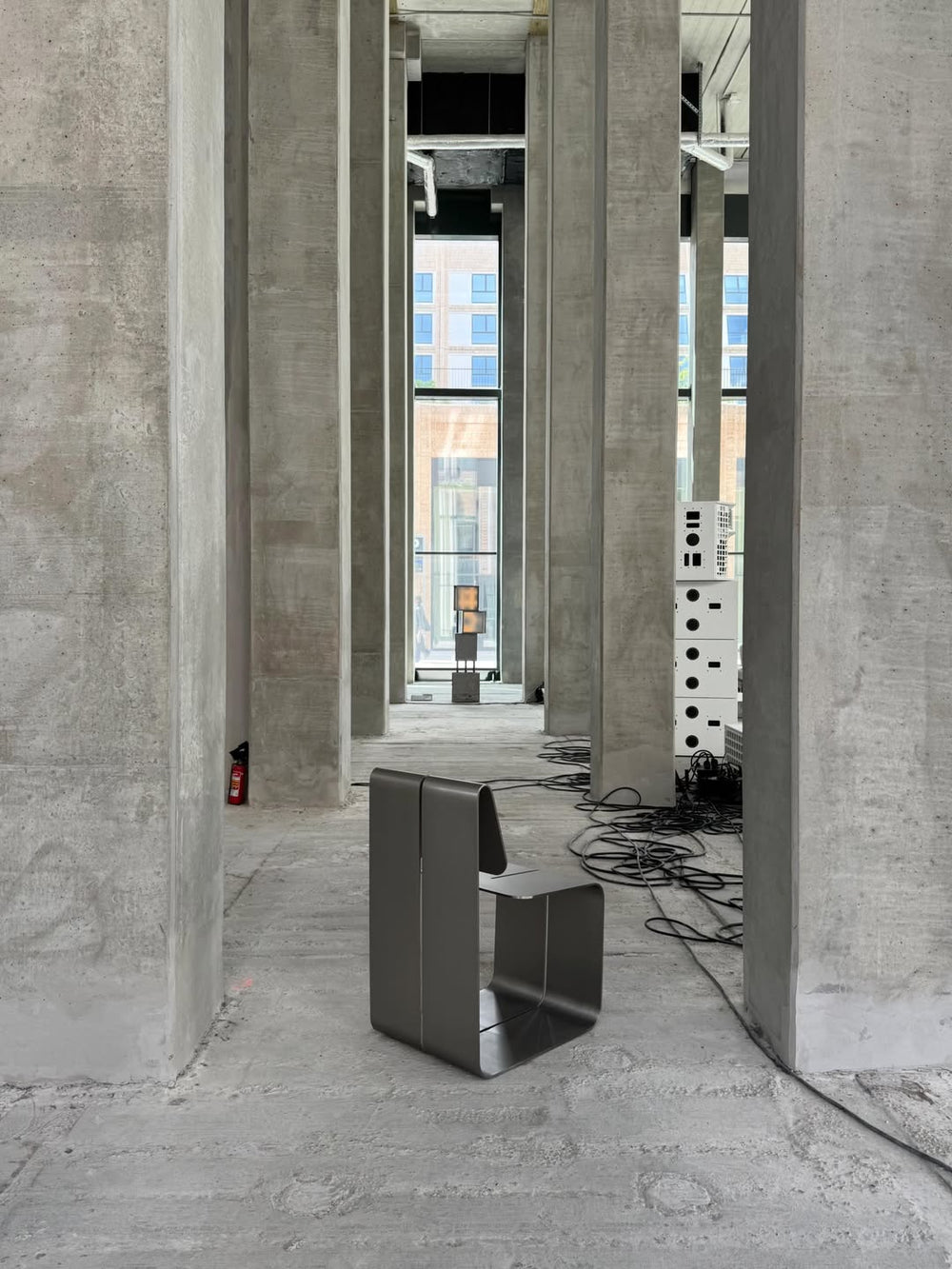
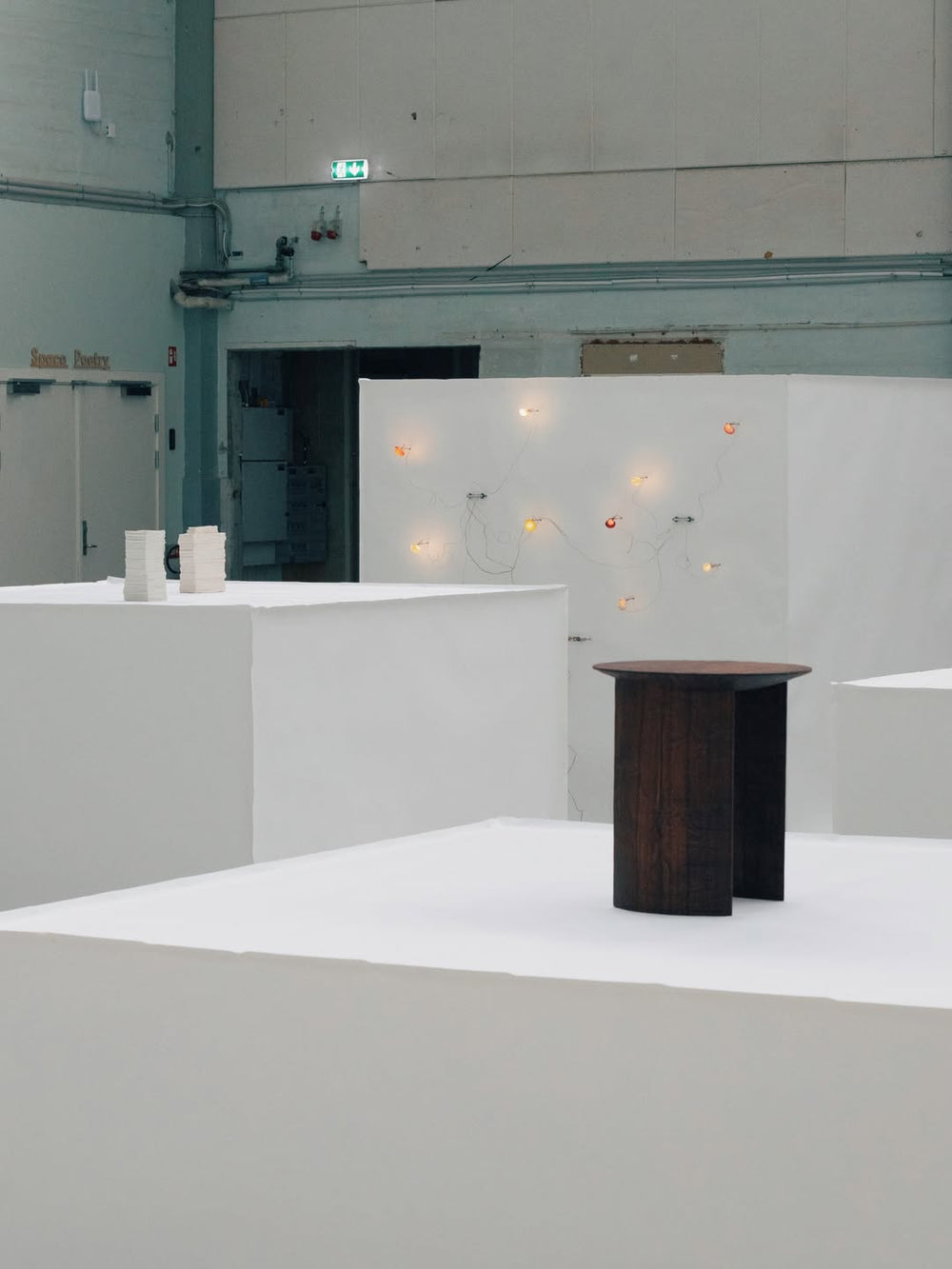
Occupying a former industrial warehouse on Papirøen, DEORON's presentation brought together more than 30 independent studios working across furniture, lighting, objects, and sound. Rather than organizing the exhibition around individual brands, the platform approached the space as a shared environment where design, music, and everyday rituals could coexist.
The setting itself played an important role. Large-scale audio installations sat alongside collectible furniture and tactile objects, creating a space that felt closer to a cultural gathering than a conventional trade fair. Throughout the exhibition, visitors moved between different design languages and disciplines, discovering emerging studios alongside more established names.
What made the presentation memorable was its emphasis on atmosphere. Furniture, lighting, sound, and social programming were treated as equal components of the experience, reflecting a broader shift within contemporary design culture where objects increasingly exist as part of larger worlds rather than as standalone products.