
Valeria Vasi
Valeria Vasi moves through her many roles—creative director, photographer, designer, and mother of twins—with the precision of a maestro, orchestrating a life where everything finds its rhythm.

In Barcelona, where the rhythm of the city meets the quieter presence of the sea, Valeria Vasi has settled into a pace that feels both structured and flexible. Nature is close, the beach within reach, and the possibility to disconnect seems to sit naturally within everyday life—whether through biking across the city or stepping away for a moment outside.
Valeria Vasi
"You live in a city, and it checks so many boxes,” she says. “Having the sun all year around also helps.”
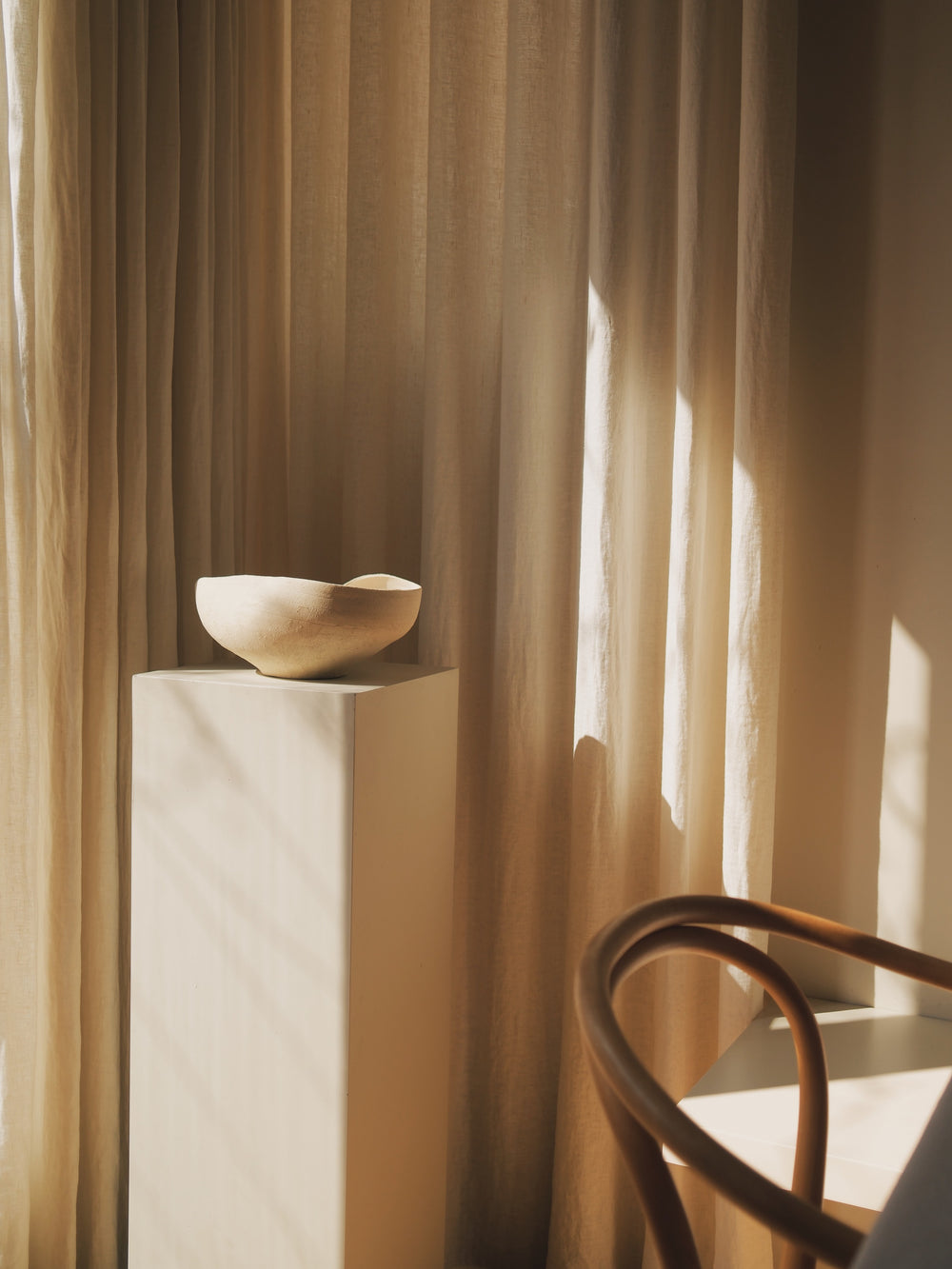
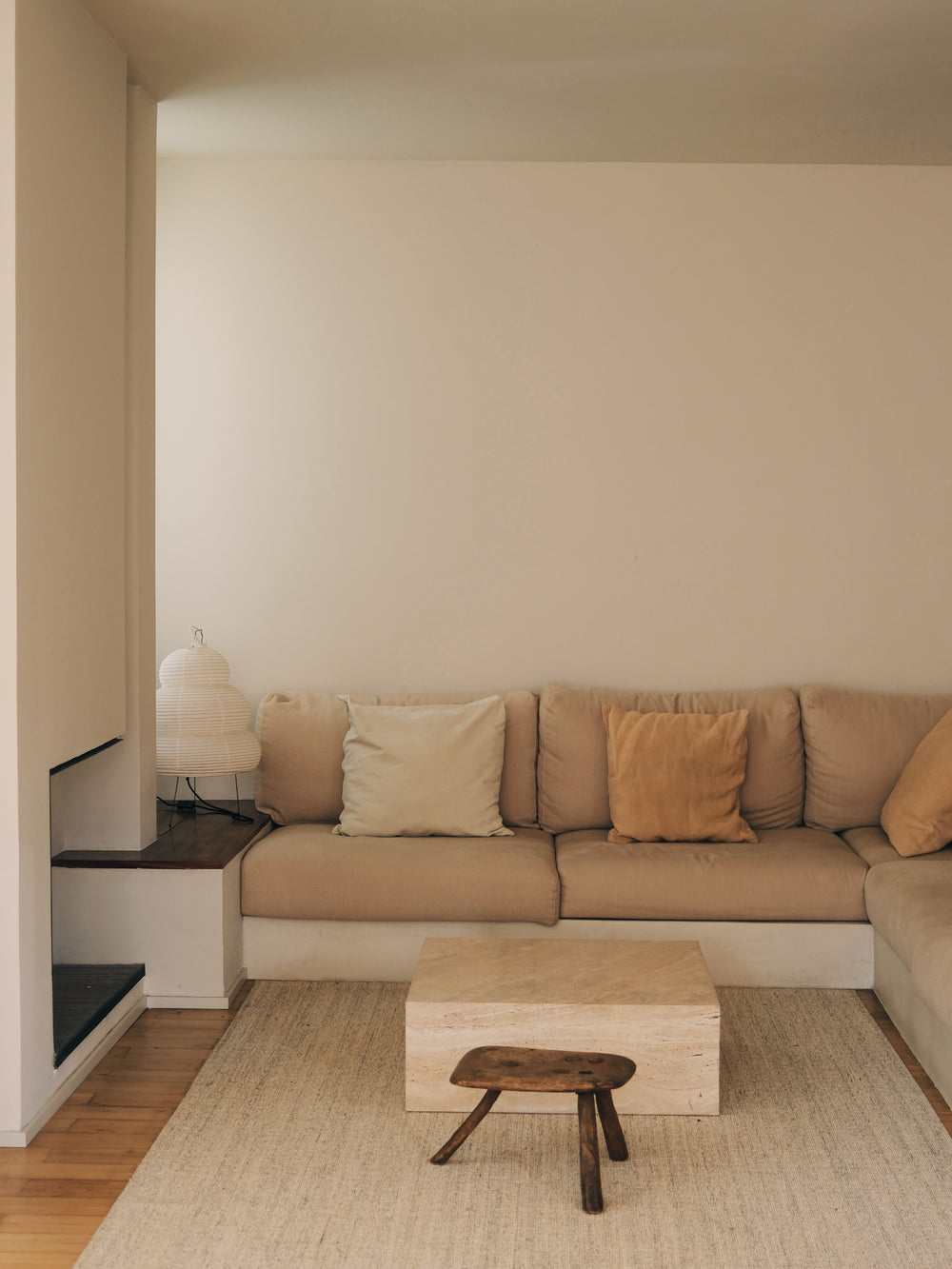
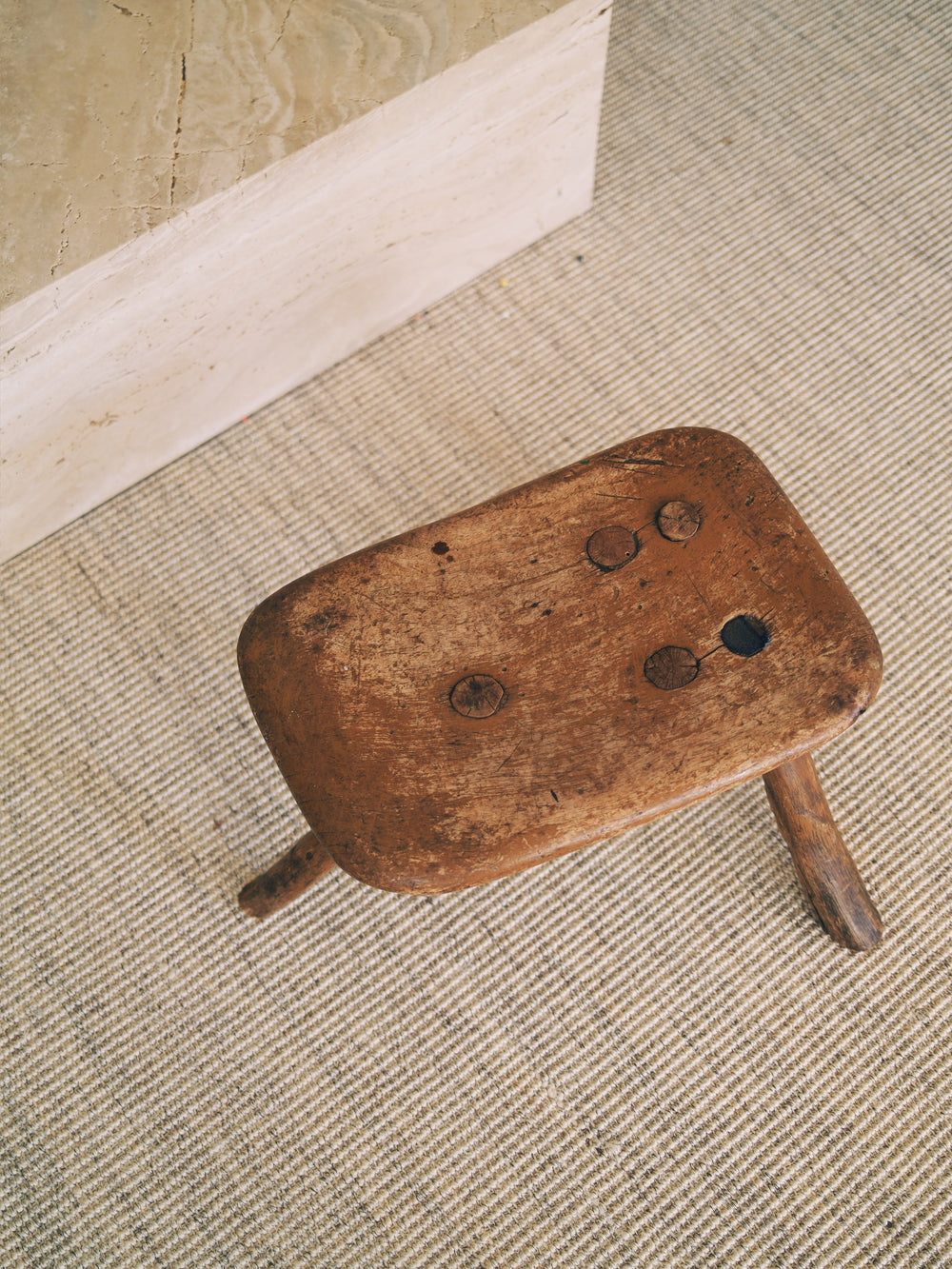
About a year ago, she moved into this apartment with her husband, architect and creative director Isern Serra, and their two young twin daughters. While Barcelona has long been part of her life, this space marks a more recent chapter—one defined by how they chose to live and work together. Their home sits on the top floor of a modest red-brick building designed by José Antonio Coderch—an architect whose work has been a lasting point of reference in Isern’s practice.
The apartment is arranged across two levels, a division that quietly shapes how the space is used. The upper floor is reserved for Valeria’s studio—physically separated, but still part of the domestic rhythm below. The space is sparse, but not minimal. Shelves hold books, objects, and material samples—elements that feel accumulated rather than arranged. Some pieces appear finished, others in transition. Together, they form a kind of working archive, reflecting an ongoing process rather than a resolved outcome.
Two doors lead directly from this room to the terraces. There are two outdoor spaces, both open to an extended view over the Barcelona skyline. From above, the city feels slightly removed—less immediate, more continuous. The terraces function more as a place to step into light and air, to pause between moments of work.
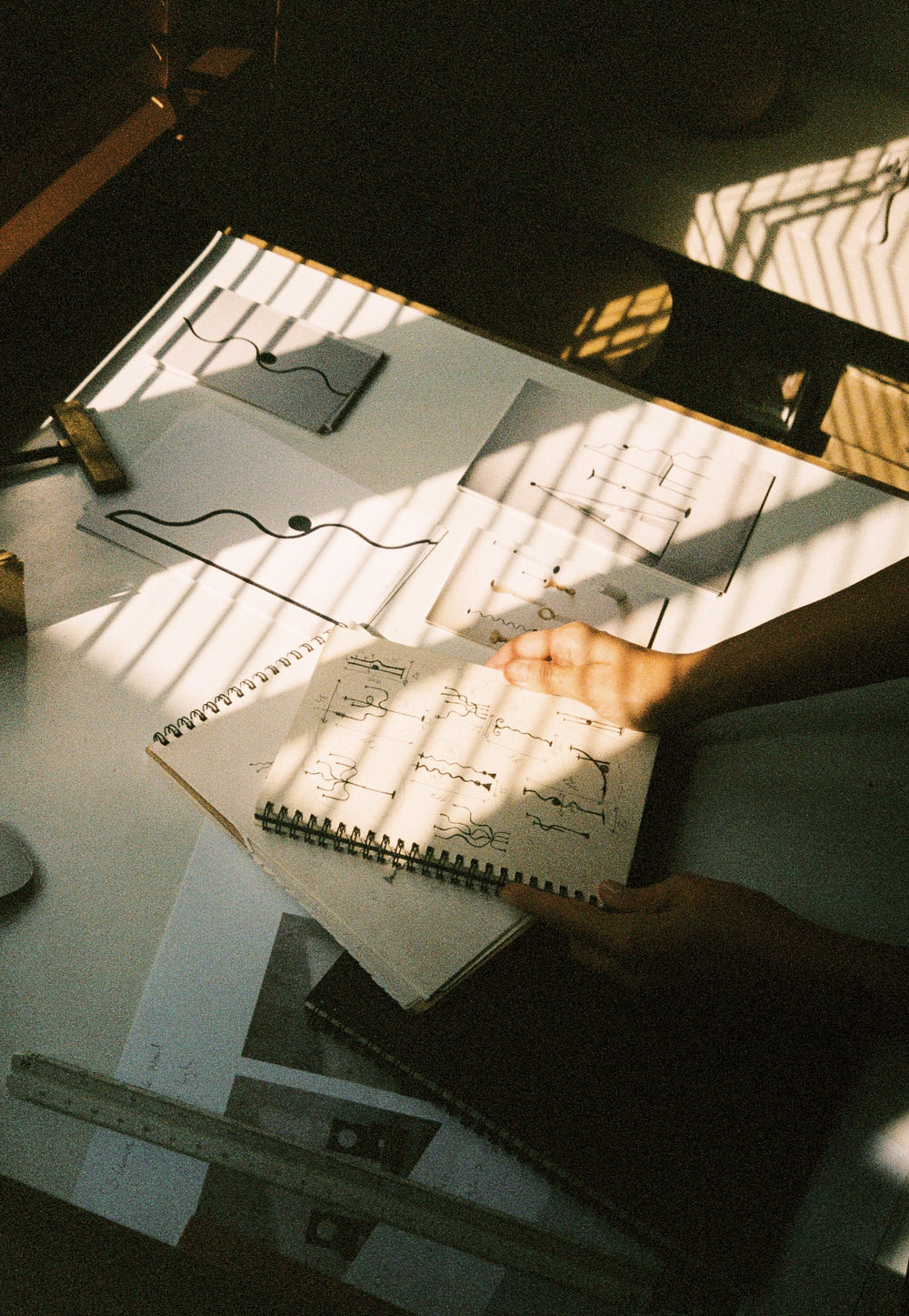
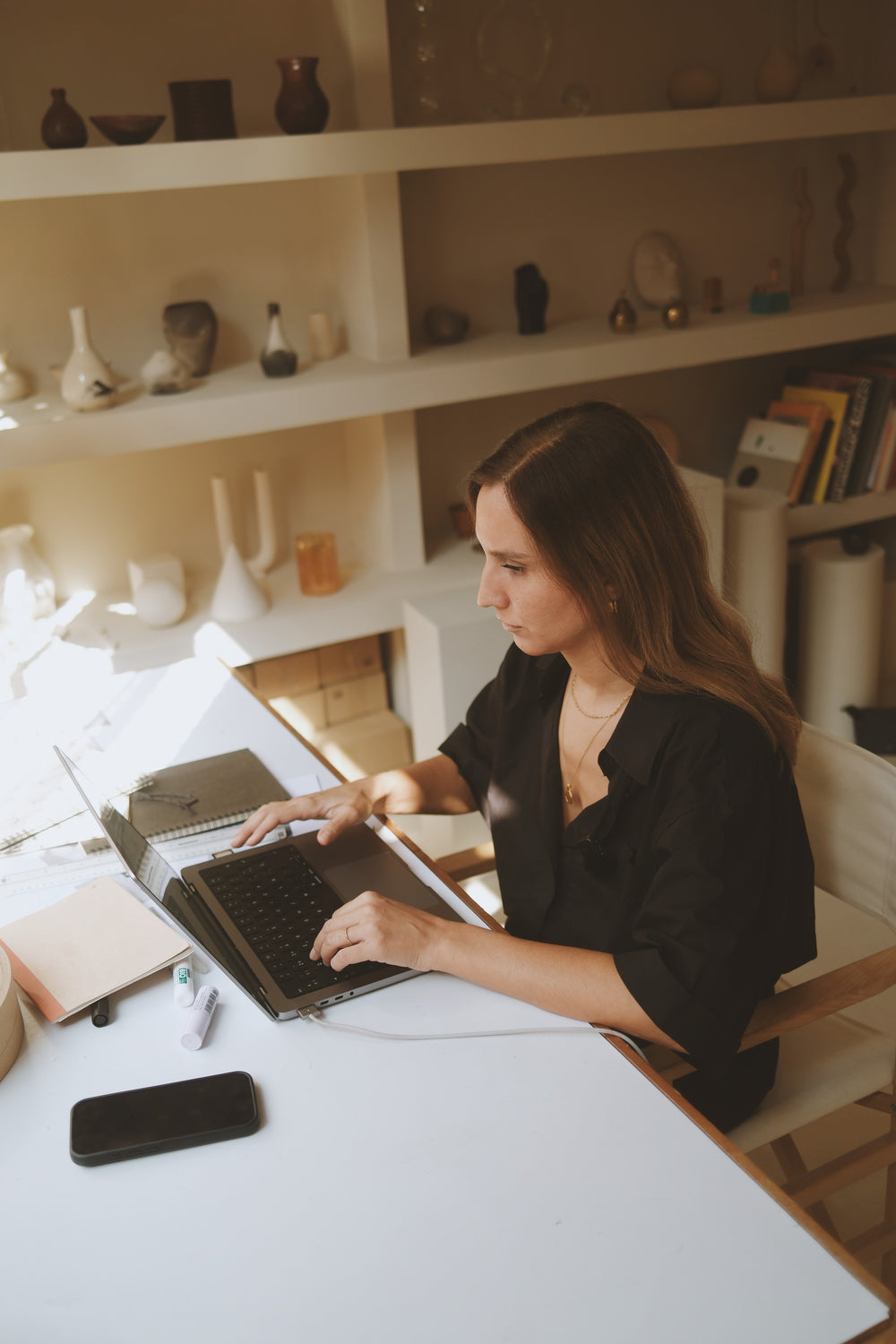
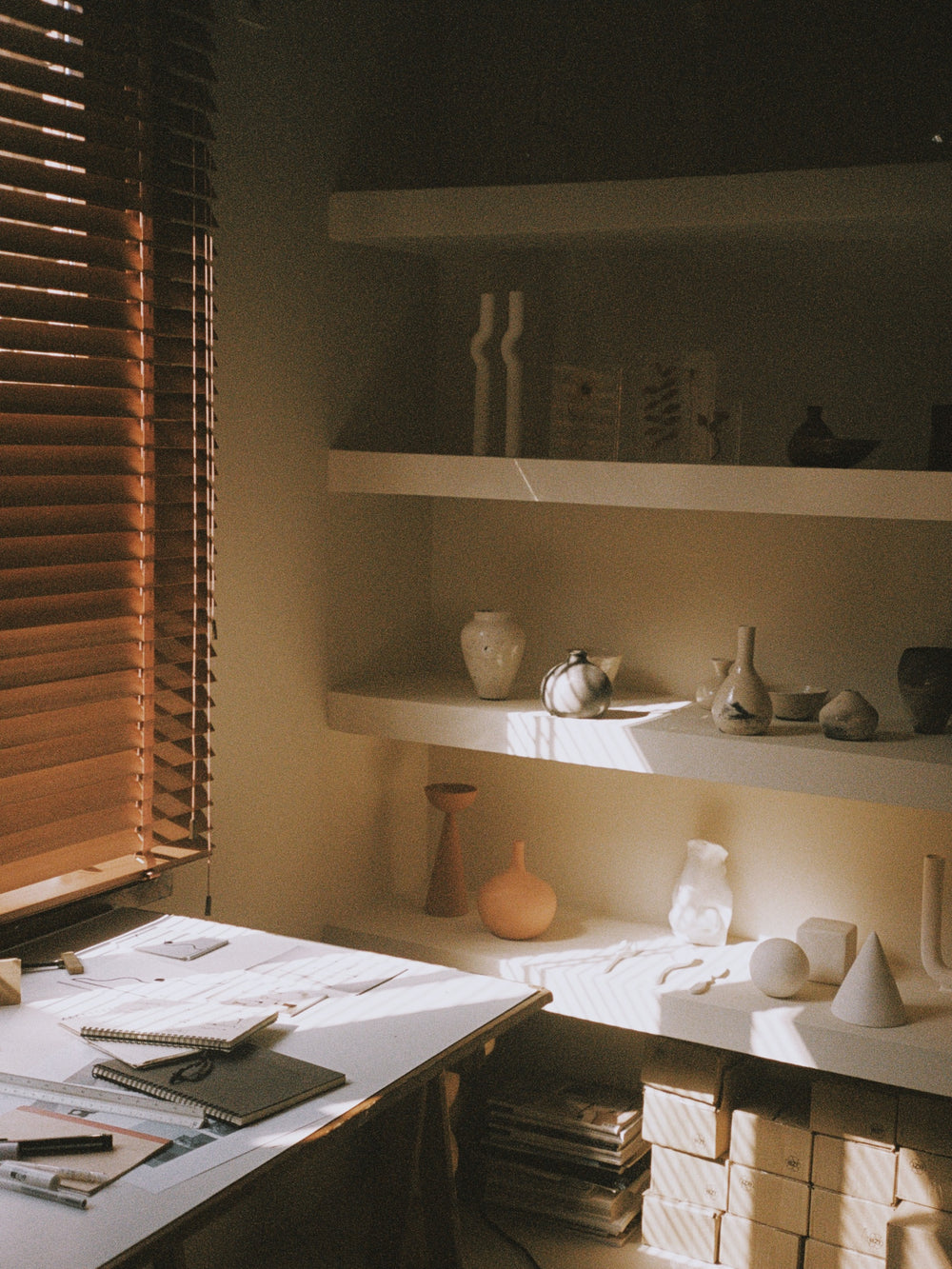

“From the idea to the result, a lot of things can happen in between. The way the material reacts—you have to be part of this. It’s your vision.”
Valeria Vasi
Valeria’s practice moves across several roles—creative direction, photography, and design—alongside the routines of raising two young children. These roles don’t appear strictly separated; instead, they overlap and shift depending on the moment. The structure seems less about balance and more about adjustment—responding to changing needs rather than fixing a stable rhythm.
Her working process follows a similar approach. Projects begin with an initial idea, but remain open as they develop. Material plays a central role in that evolution. In recent work, she has focused on producing objects locally, allowing for a closer involvement in how things are made. The process includes observation—how materials behave, where they resist, where they require adaptation.


This attention to process has coincided with a gradual shift in her work. Moving beyond ceramic and glass, she has started working with steel—introducing a different set of constraints and possibilities. The material brings questions of structure and strength, but also allows for a certain contrast. “It’s another kind of conversation,” she says. “I love the contrast—strong material holding such gentle lines.”
Across both the space and the work, there is a sense of things remaining in motion—projects evolving, materials being tested, roles adjusting over time. Nothing feels entirely fixed, but also not unresolved—more like part of an ongoing sequence.
Valeria Vasi